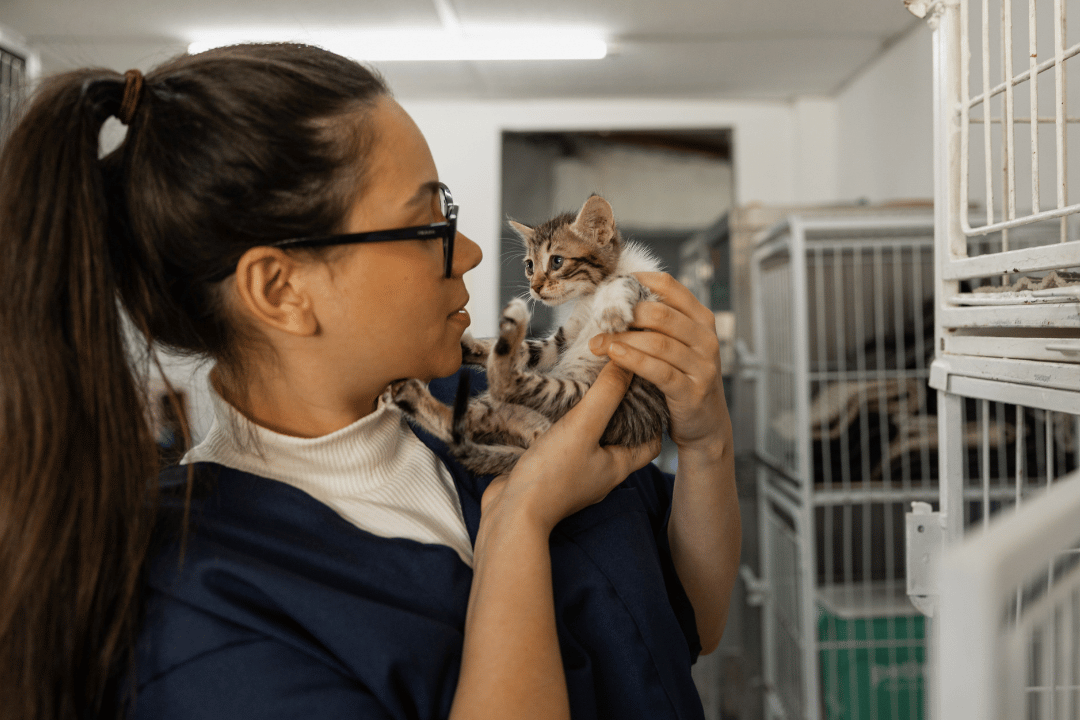
Not all lost pets find their way home, but understanding how shelters and microchips collaborate can change that fate forever. What happens next?
How Animal rescues Access Microchip Data
In the heart of every animal animal rescue shelter, an essential connection exists between lost pets and their families through the power of microchip data. When a pet arrives at the animal rescue shelter, the first step often involves scanning for a microchip. This tiny device, embedded under the pet's skin, holds a unique identification number linked to a database containing crucial owner information.
Once the animal rescue shelter staff scans the dog or cat microchip, they access the database, which can be a lifeline in the journey to reunite pets with their families. With just a few clicks, they can discover the pet's name, previous addresses, and contact details. This process not only provides hope to anxious pet owners but also reinforces the belief that every lost pet has a story waiting to be told.
The collaboration among animal rescue shelters, microchip manufacturers, and pet owners forms a crucial network. It empowers animal rescue shelters to act swiftly, ensuring that lost pets don't remain forgotten. By understanding how this technology works, you can appreciate the profound impact of microchips in fostering connections and healing hearts, one reunion at a time.
The Impact of Unregistered or Outdated Microchip Information
However, the effectiveness of microchips relies heavily on the accuracy and availability of the information linked to them. If a pet's microchip is not registered or if the registration details are outdated, the ability of animal rescue shelters to reunite pets with their owners is significantly hindered. When a microchip is scanned but yields no owner information, the hope of a swift reunion diminishes. This means the pet may remain in the animal rescue shelter for a longer period, causing stress for both the animal and the animal rescue shelter staff.
Unregistered microchips are essentially blank slates—they provide no clue as to who the pet belongs to. Even if the pet has a microchip, without proper registration, it becomes nearly impossible to track down the rightful owner. This gap in information can lead to delays or, in the worst-case scenario, the inability to return the pet to its home.
Similarly, outdated information presents its own challenges. If the contact details linked to a pet's microchip are no longer valid—such as an old phone number or an address where the owner no longer resides—the animal rescue shelter's attempts to contact the pet owner will be futile. This often results in missed opportunities for a reunion, as animal rescue shelter staff may have no other way of reaching the pet's family. The stress and anxiety experienced by both the pet and the owner during this time are completely avoidable with proactive maintenance of microchip records.
Ensuring that your pet's microchip is registered and that all information is up to date is crucial; start by checking your chip. It transforms the microchip from a simple piece of technology into a powerful tool for reconnecting lost pets with their families. By taking the time to register your pet's chip and update details as they change, you maximize the chances of a successful reunion and reduce the strain on animal rescue shelter resources, ultimately helping more pets find their way home.

Table of contents