Dog Microchips and International Pet Travel
The chip has to go in before the rabies jab, meet the right standards, and read cleanly at check-in, or the trip stops there. What to confirm with your vet before you book.


If you’re planning a trip abroad with your dog or cat, the animal health certificate (AHC) depends on the chip. The chip number goes on the certificate, and it’s checked before you board. These are the rules for travelling from Great Britain. England, Scotland or Wales; Northern Ireland travels under separate arrangements. These rules were checked against gov.uk in October 2026, so confirm them on gov.uk before you book.
The chip and the rabies jab
Your pet must be microchipped before, or at the same time as, their rabies vaccination. If the jab came first, it doesn’t count for travel and your pet will have to be vaccinated again. So if you’re starting from scratch, book the chip first, or ask the vet to do both in the same visit. The chip number must be recorded in the AHC, and the date the chip was implanted has to come before the vaccination date.
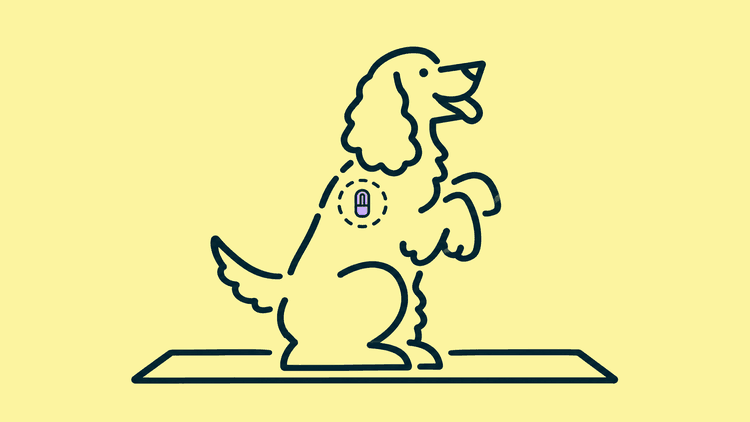
Chipping for travel can only be done by certain people: a vet, a vet nurse or student under a vet’s direction, someone trained before 29 December 2014 with practical experience, or someone assessed on an approved training course.
There’s one exception to the chip requirement. If your pet was tattooed on or before 3 July 2011 and the tattoo is still clearly legible, they can travel without a chip. They must have been vaccinated against rabies after being tattooed, and the vet records the tattoo date, number and vaccination date in the certificate instead.
Will the chip be read abroad?
EU airlines, train and ferry companies can read chips that meet the ISO 11784 and ISO 11785 standards. If your pet’s chip doesn’t meet those standards, you may have to carry your own reader, so check with your travel company before you book. The same rule applies on the way back into Great Britain.
If the chip can’t be read when it’s checked, the whole process starts again: a new chip, a new rabies vaccination, a new certificate and the waiting period again. If the chip reads only sometimes, your vet may implant a second one. The original stays in place.
Where the chip is scanned on the journey
The scan happens before you leave, not when you arrive. At the transport company’s check-in or Pet Reception, the chip number is read off your pet and matched to the certificate. On vehicle crossings, this is at the vehicle booths.

French customs lay out the full chain. At check-in, you declare the pet to the transport company, show the signed health certificate, and have the chip scanned with the company’s reader. On arrival, you declare and present your pet to customs for documentary and identity checks.
If the number read off your pet doesn’t match the certificate, the trip stops there.
Is there an international pet registry?
No. The nearest thing at EU level is an index of national member databases. It doesn’t take registrations or updates from owners directly: to register your pet or change your details, you go to the national database in your own country.
For a UK pet, your record lives on a UK database, and keeping it current is your job at home before you travel. The chip itself holds only a number: the database holds the record (your name, phone number and address) against that number. The EU index’s search can help someone abroad find where a chip number is registered, but it doesn’t replace a correct record on your own database. For more on how chips help find pets lost abroad, see our guide to crossing borders and international lost-pet recovery.
Before you go: check the chip and the record
Ask your vet to scan the chip so you know it reads cleanly and the number matches your paperwork.

On holiday, your pet should wear a collar with an identity tag showing your name, holiday address and contact details, alongside the chip.
One thing to keep in mind: registration details are not checked at the border. An up-to-date record is what helps if your pet goes missing while you’re away. The wider rules on documents, vaccinations and timing are in our guide to pet passports and travel after Brexit.
Your pet’s chip will be scanned before you board, so give yourself time to check it reads and to put the record right. If your pet isn’t yet on a UK database in your name, register with Pet Database before you travel.