QR Code Smart Pet Tags vs Traditional Tags
Both kinds of tag can bring a lost pet home, but they work differently for the person who finds them. Weigh up which suits your pet, and what the law still expects on the collar.


You’re choosing a tag for your dog or cat, and the options come down to two kinds. An engraved tag says what was written on it the day you bought it. A QR code tag, such as the Pet Database Smart Pet Tag, opens a record you can change any time. Which one fits depends on how often your details move around, whether you want to know when your pet has been found, and what the law asks of you.
What an engraved tag does well
The traditional engraved tag is a small metal disc on the collar, and its strength is simplicity. Anyone who finds your pet can read it straight away, with no phone, no signal and no account.

Its limits are just as simple. It carries only what fits on the metal, and it says the same thing forever. If you change your number or move house, you have to buy a new tag.
What a QR code tag adds: the Pet Database Smart Pet Tag
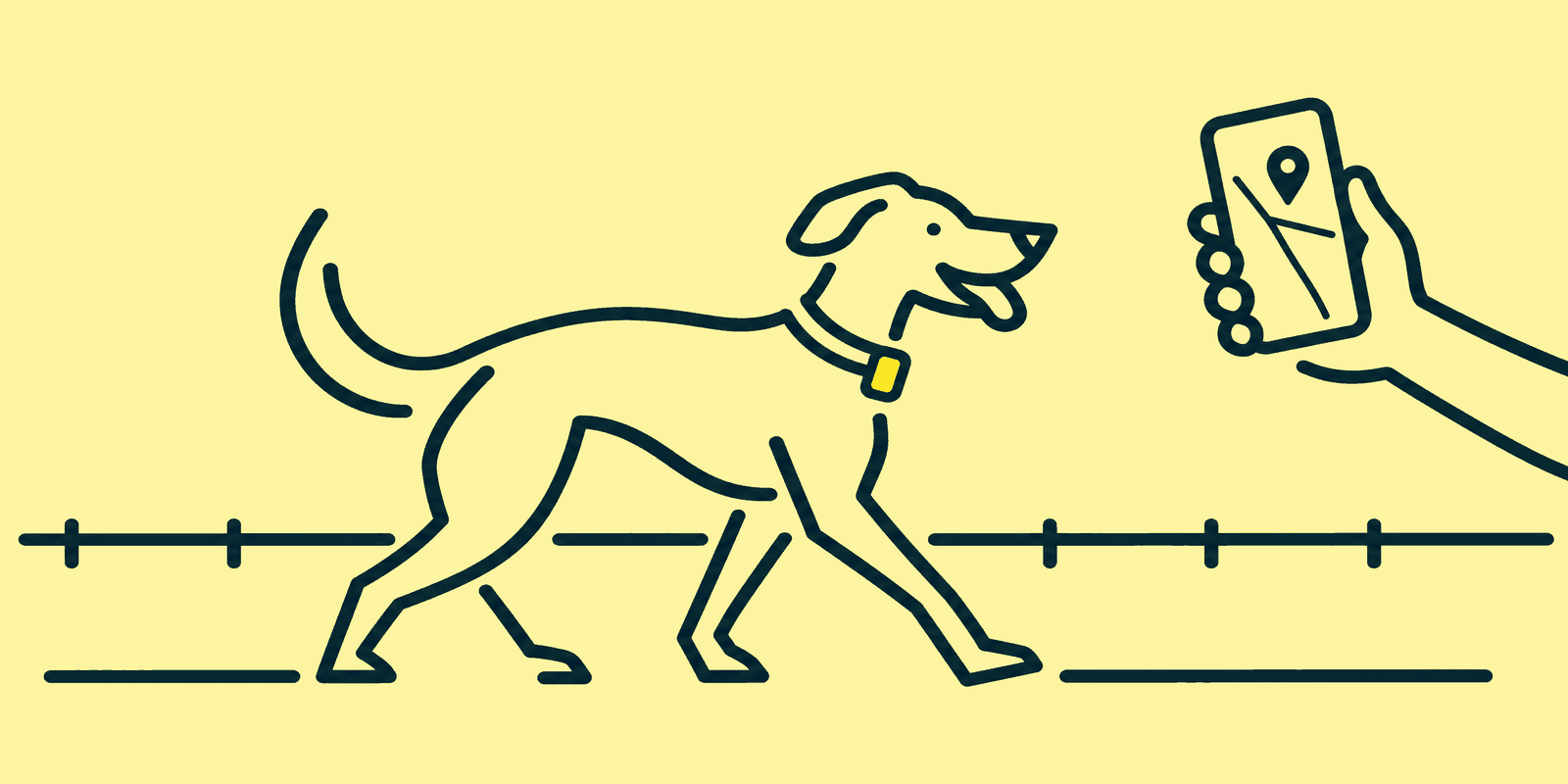
A QR code tag replaces engraved words with a small square code anyone can scan with a phone camera. The Pet Database Smart Pet Tag carries a QR code that opens your pet’s Pet Database record, and it costs £14.99 plus postage and packing.

When someone scans it, they see your contact information, plus anything else you choose to show. The record isn’t limited by the size of a disc, and you can update it when you change your number or move house. The same tag keeps working.
Every time the tag is scanned, Pet Database sends you a Safety Ping by SMS and email, so you know straight away that someone has your pet and is trying to reach you. If you’d like to see how the scan itself works for the finder, our guide to how QR code pet tags work covers it. There’s also a page on QR code tags for travelling with your pet if you’re heading abroad.
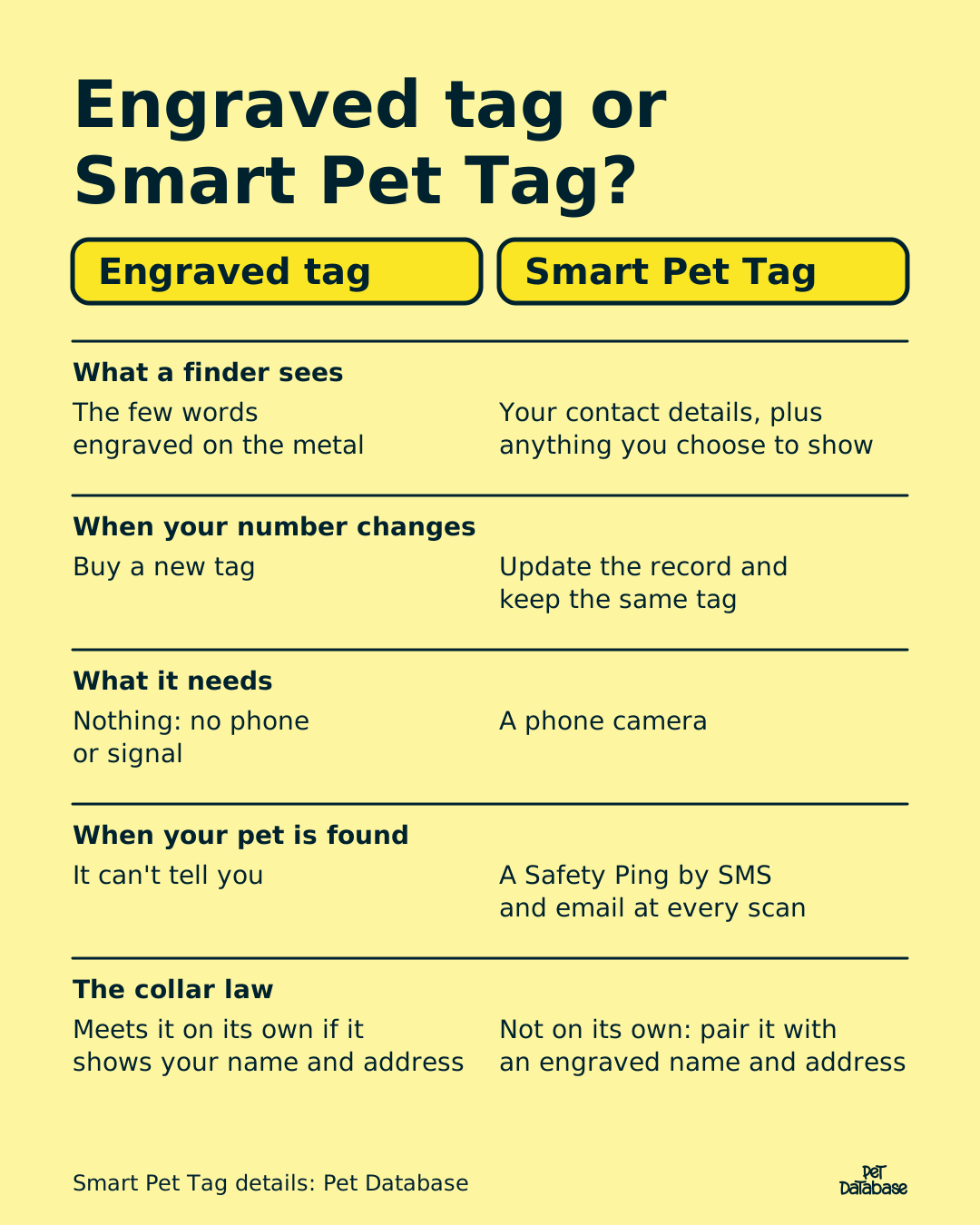
QR code tag or engraved tag, side by side
An engraved tag is instant and needs nothing. A smart tag for dogs carries more and updates for free.
Why your dog still needs a name and address on its collar
Whichever tag you choose, in England, Wales and Scotland the law still asks for your name and address on your dog’s collar whenever the dog is in public. It can be on the collar itself or on a tag attached to it. A QR code doesn’t meet that on its own, so even with a Smart Pet Tag, your dog still needs the name and address engraved or written on the collar. Our page on what UK law requires on your dog’s collar goes into the detail, including where the rule applies.
Cats are a different case. Blue Cross says that across the UK, cats don’t legally need a collar the way dogs do. Microchipping is still the best way for a cat to be reunited if they wander.
If you do put a collar on your cat, choose one with a quick-release fastening so it opens if the collar gets snagged. Keep any extras such as a tag or bell small and light, so they don’t stop the release working. Bells, discs and other accessories can get caught in small spaces, such as between fence panels, so a microchip is the safer route.
How a tag works alongside the microchip
A tag and a microchip do different jobs. A microchip is permanent and can’t fall off. Our dog microchipping page covers registering and keeping the record current.
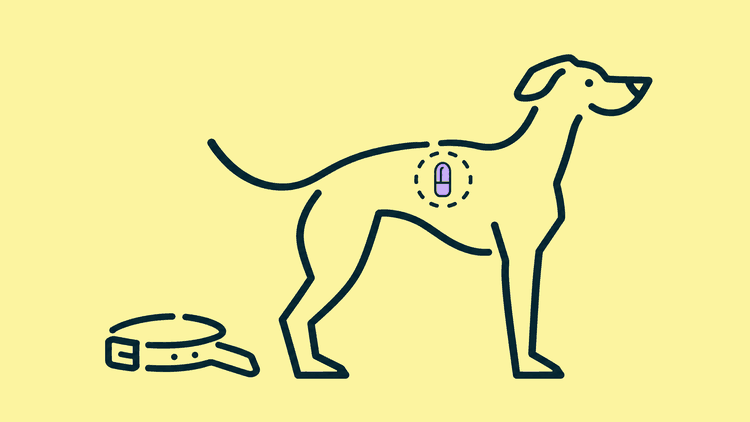
A finder can read a tag without a scanner, so a neighbour holding your dog can read an engraving or scan a QR code straight away. The chip still identifies your dog if the collar comes off.
An engraved tag works on its own, and a Smart Pet Tag tells you when your dog is found. If you’re ready to choose, you can get a Smart Pet Tag and keep your engraved name and address on the collar alongside it.