Dog Tracking Chip: Does It Exist? GPS Trackers vs Microchips Explained
Microchips, GPS trackers and QR tags each do a different job, and only one shows your dog's live location. Knowing which is which means you can pick the right protection for your dog.


If you're searching for a tracking chip for dogs, unfortunately there isn't one. A microchip contains no GPS and will not track a pet's location - you'd need a GPS checker for that.
What a microchip does, and why it can't track your dog
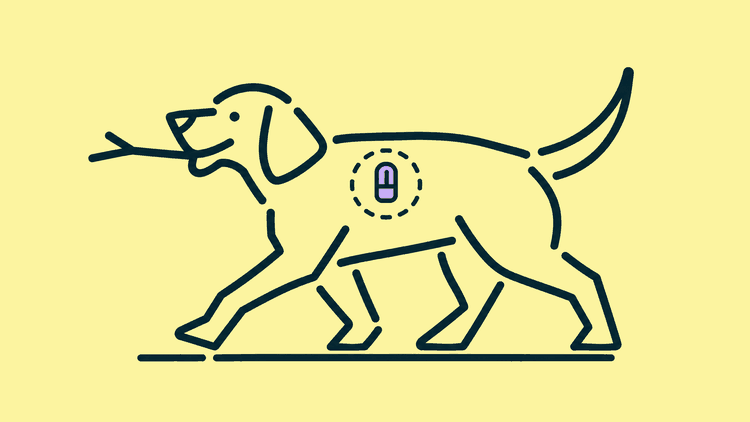
A microchip holds a unique 15-digit number. When a vet, dog warden or rescue scans your dog, the scanner reads that number. The number is then looked up on the database that holds your contact details, and you get the call. If you're not sure whether their record is current, Pet Database's dog microchipping page covers how to check and update it.
What a GPS tracker does
A GPS tracker is a separate device that clips to your dog's collar. It uses GPS and connects to a mobile network through a built-in SIM card, sending your dog's location to your phone. A subscription covers the mobile network fees.
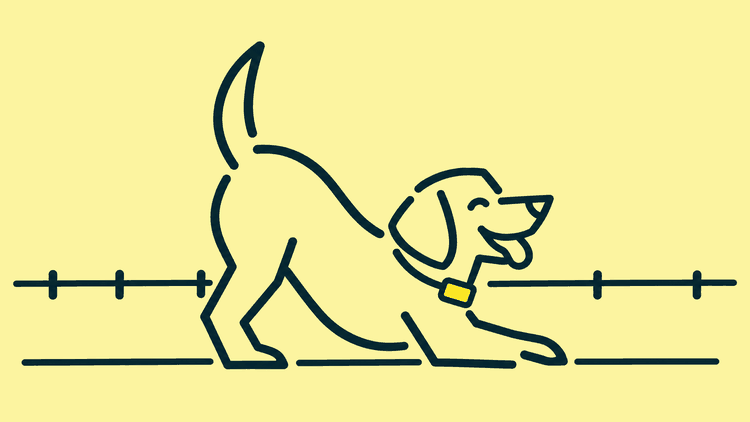
There are practical limits worth knowing before you buy. Battery life varies by model and use. The tracker charges with a USB C cable and works only where there's 2G or LTE mobile coverage.
Microchip, GPS tracker or QR tag: side by side
The three are often confused, but they answer different questions. The chip answers "whose dog is this?", the tracker answers "where is my dog right now?", and the QR tag helps a finder reach you quickly.
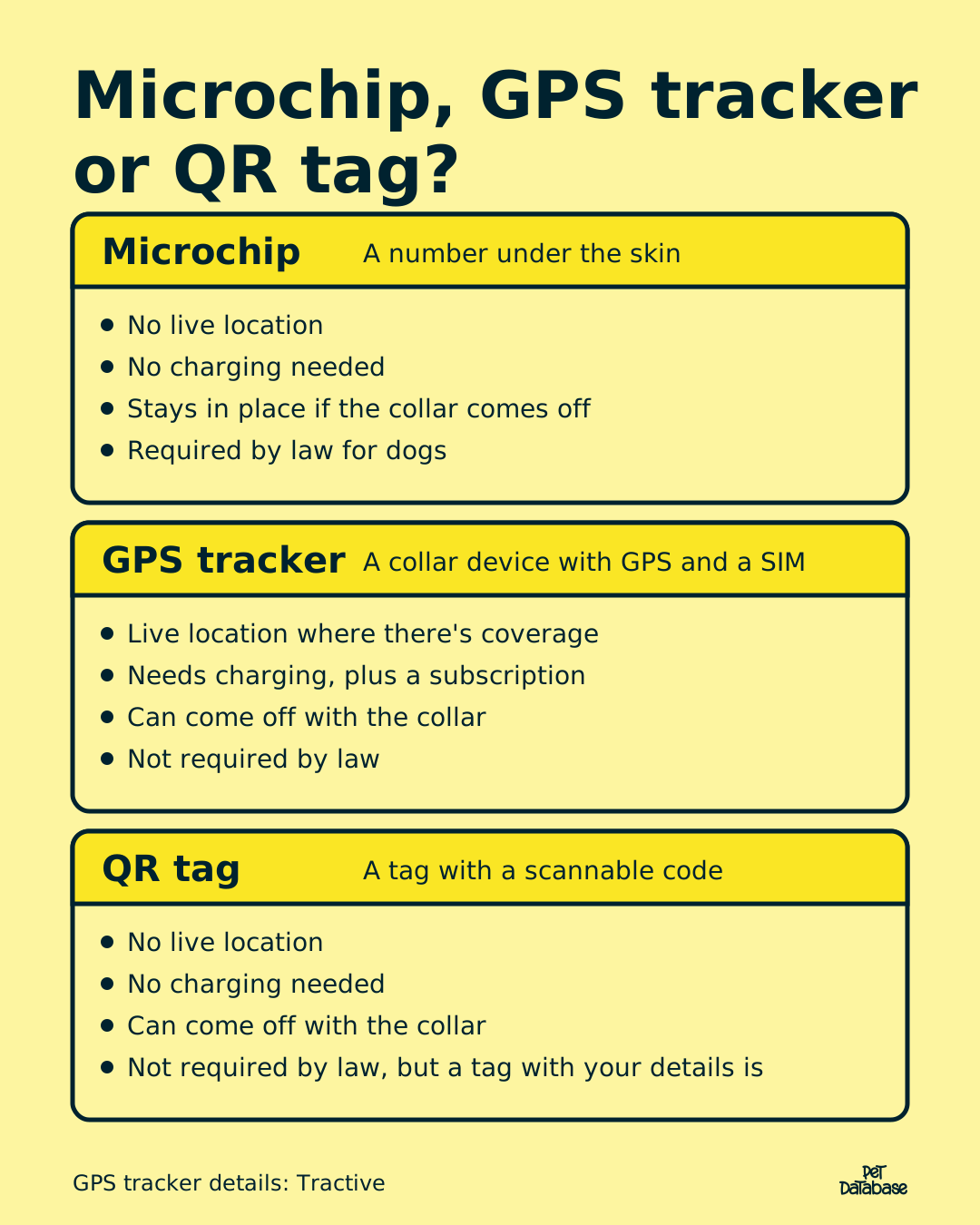
A QR tag can't track your dog either. Pet Database's guide to how QR code pet tags work shows what a finder sees when they scan one. The comparison with an engraved tag is in QR code tags vs traditional ID tags.
Whichever tag you pick, a collar tag is a legal requirement in its own right in England, Scotland and Wales. A dog must still wear a collar and tag showing your name and address in a public place, even when microchipped.
If your dog goes missing

If your dog has a tracker, open the app and follow the live location first. If they don't, or the tracker isn't reporting, the chip and the tag take over, so make sure the record behind them is right.
Report your dog missing through your Pet Database account, which flags their microchip record as lost. Then if a vet, warden or rescue scans your dog and looks up your details, Pet Database notifies you.
Your report also feeds Pet Database's public lost and found pet locator, run with DogLost, where anyone can search by postcode and filter by distance, status, species and gender.
Why a tracker doesn't replace the chip
A tracker is a useful extra, but it can't stand in for the chip. Trackers aren't permanent, because they sit on a collar that can slip off or be taken off. The chip, by contrast, stays with your dog for life.
In England, Scotland, Wales and Northern Ireland, dogs must be microchipped. If your dog ends up with a dog warden, vet or rescue, the scan is the standard route back to you.
The scan only reaches you if the record is in your name and current. Check it today, and if your dog is already missing, report them to Pet Database so the next scan brings them home.